Zakat is the third pillar of Islam — an obligatory annual charity paid by every Muslim whose wealth has remained above the nisab threshold for one lunar year. It is one of the most powerful acts of worship in Islam, purifying the wealth of the giver and lifting the poor from destitution. This guide explains what Zakat is, who must pay it, how much to give, and where DHT distributes it.
What is Zakat in Islam?
The Arabic word zakat means ‘purification’ and ‘growth’. In Islamic law, it refers to the obligatory annual transfer of 2.5% of a Muslim’s qualifying wealth to those entitled to receive it. The Qur’an pairs Zakat with prayer (Salah) in more than thirty verses, signalling its centrality to the practice of the faith.
“And establish prayer and give zakat, and whatever good you put forward for yourselves — you will find it with Allah.”
— Qur’an 2:110
Who must pay Zakat?
Zakat is obligatory on every adult Muslim who is sane, free, and owns wealth above the nisab — the minimum threshold — for a full lunar year (a hawl). The nisab is set in classical fiqh as the value of 87.48g of gold or 612.36g of silver. Most UK scholars recommend using the silver nisab so that more wealth is reached and more of the poor benefit; use our Zakat calculator to see today’s figures.
What wealth is Zakat paid on?
Zakat is paid on wealth that is productive or saved — not on personal use items like your home, your car, or your everyday clothes. Qualifying wealth typically includes:
- Cash in bank accounts, in your pocket, or under the mattress
- Savings, ISAs, and money market deposits
- Investments — shares, funds, crypto held as savings
- Gold and silver in any form, including jewellery in some schools
- Business stock and trade goods
- Money owed to you that you expect to be paid back
- Rental income held as savings (not the property itself, if used as a home)
Debts you owe (within reason) may be subtracted before calculating Zakat.
How much Zakat do I pay?
The standard rate is 2.5% of your net qualifying wealth on the day your hawl completes. For every £1,000 above the nisab, that is £25.
“Whoever is given wealth by Allah and does not pay its Zakat — on the Day of Resurrection his wealth will be made to appear before him as a bald, poisonous snake with two black spots which will encircle his neck and seize his jaws.”
— Prophet Muhammad ﭐ (Bukhari)
Who can receive your Zakat?
Surah At-Tawbah, verse 60, names exactly eight categories of permissible Zakat recipients — the poor, the needy, the administrators of Zakat, those whose hearts are to be reconciled, those in bondage, the debt-stricken, those in the way of Allah, and the stranded traveller. We have written a separate guide on the eight categories of Zakat recipients.
How DHT distributes your Zakat
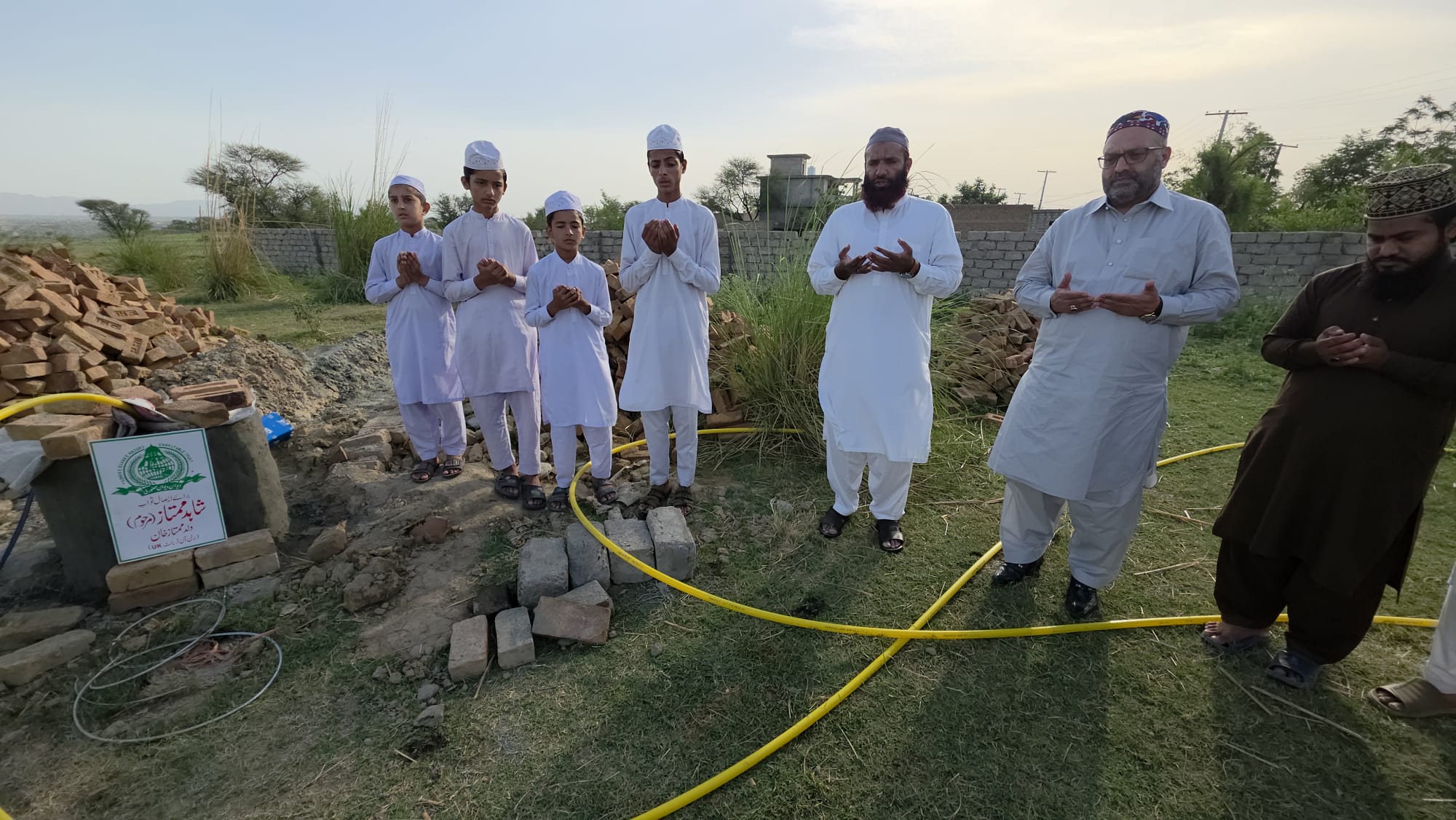
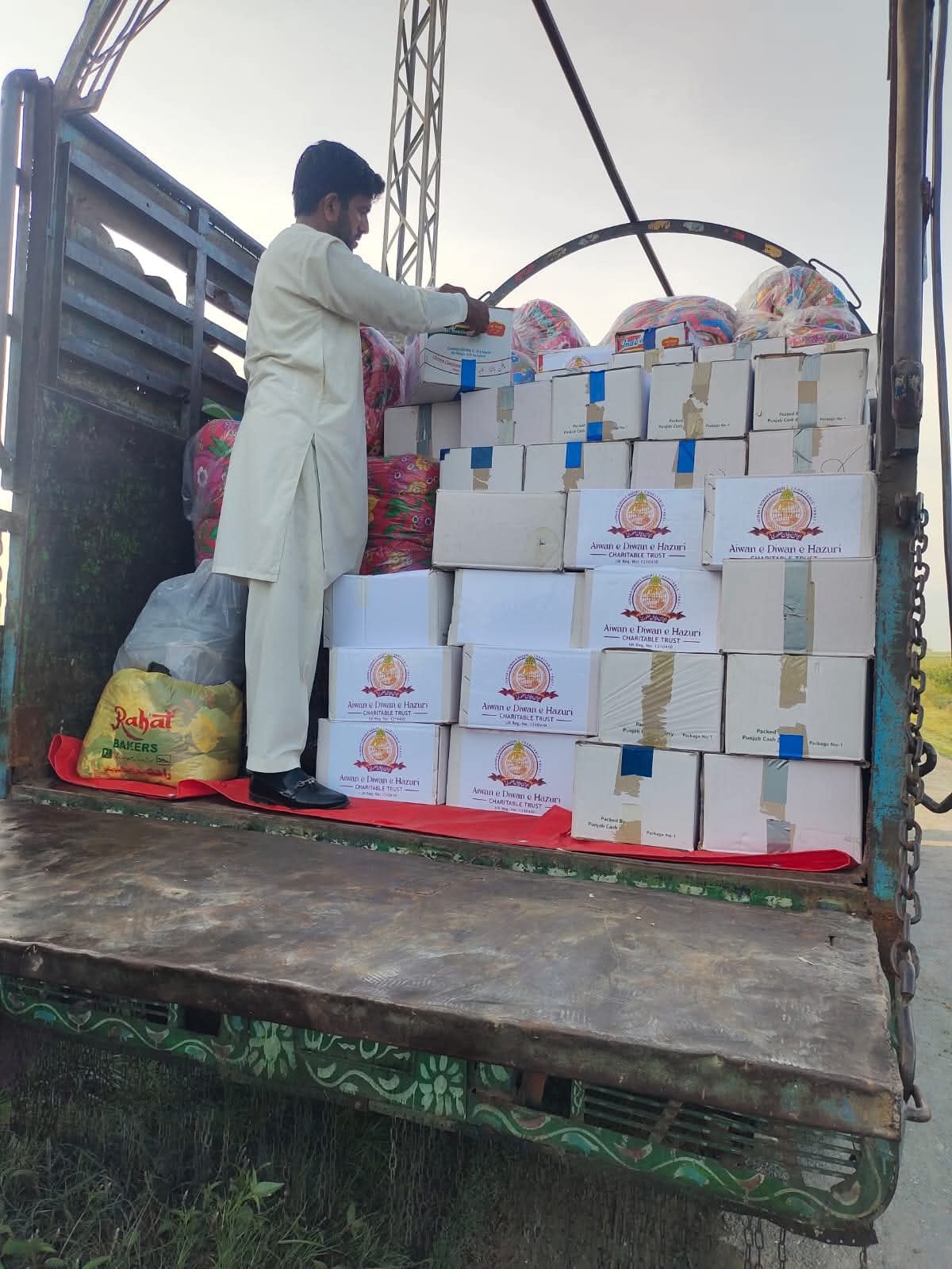
DHT operates a strict 100% Zakat policy: not a penny of your Zakat is used for admin, card fees, or fundraising. Operational costs are covered separately by Lillah and Gift Aid. Your Zakat reaches Zakat-eligible recipients exclusively, in the field, and is reported back to you with photographs and progress updates.
We distribute your Zakat across:
- Food parcels and hot meals for the poor
- School fees and sponsorships for vulnerable children
- Medical aid for those who cannot afford care
- Vocational training that lifts widows out of dependency
Calculate and pay your Zakat in two minutes
Use our scholar-verified Zakat calculator with today’s nisab figure. 100% policy — every penny reaches the field.
Common Zakat questions
Frequently Asked Questions
When is Zakat due?
Zakat is due once a lunar year passes on your qualifying wealth. Many UK Muslims fix their Zakat date to the first day of Ramadan to multiply the reward, but any day will do as long as you keep to it each year.
Can I pay my Zakat monthly?
Yes. You may pay your annual Zakat estimate in monthly instalments throughout the year. If you have paid more than owed by the year’s end, the surplus counts as Sadaqah.
Does Zakat have to be paid in cash?
Usually yes — cash equivalent is preferred because it allows the recipient to spend it on their most pressing need. In some cases, scholars permit payment in kind (food, clothing) if it benefits the poor directly.
Is Gift Aid allowed on Zakat?
Yes. Gift Aid is a reclaim of your own UK income tax, not an addition to the Zakat amount — it goes to DHT’s general fund (Lillah) to cover admin so that 100% of your Zakat still reaches the field. Read more.
This article is for general guidance only and is not a substitute for advice from a qualified scholar. If you have a complex Zakat situation, please consult your local imam.