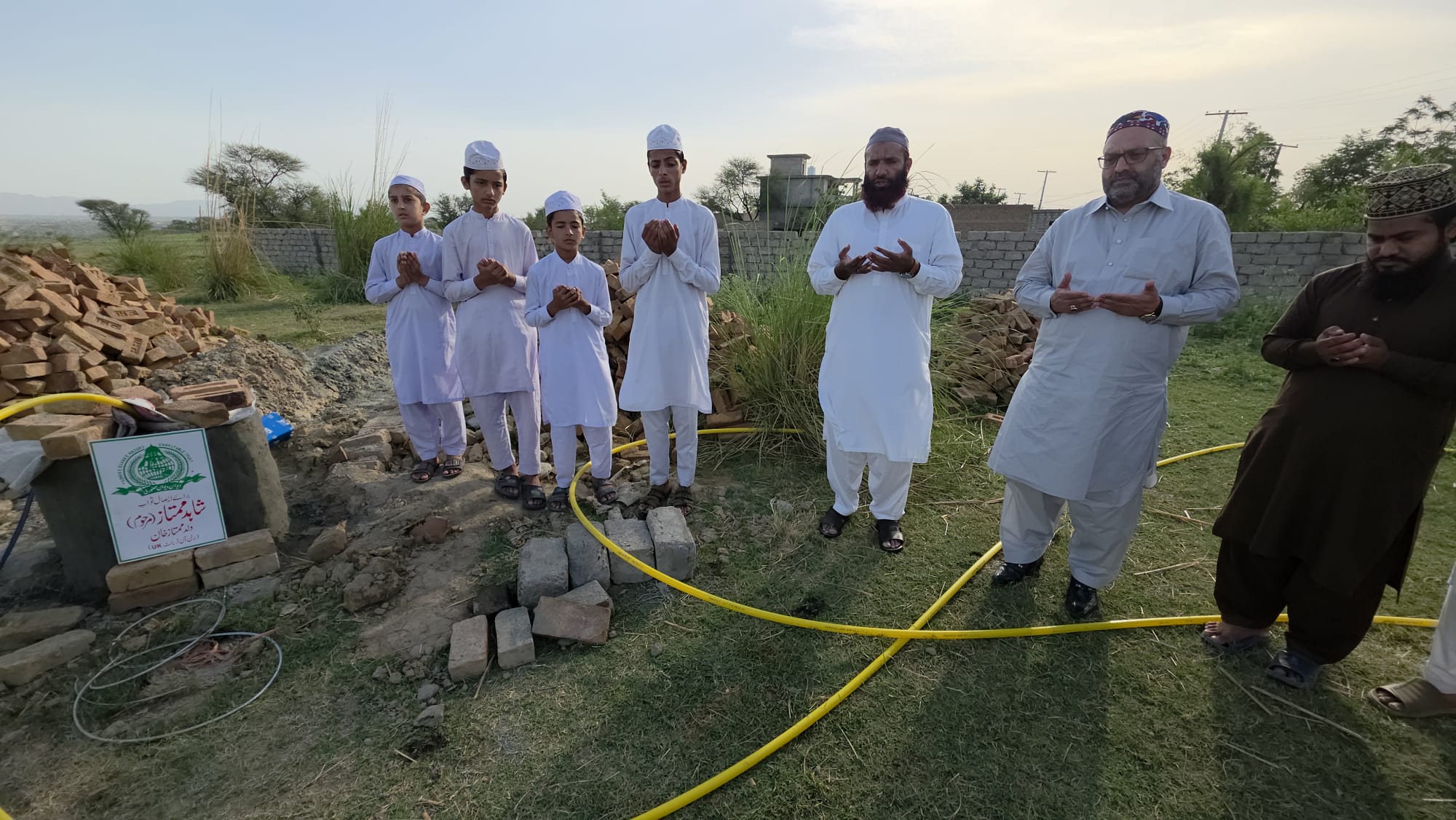
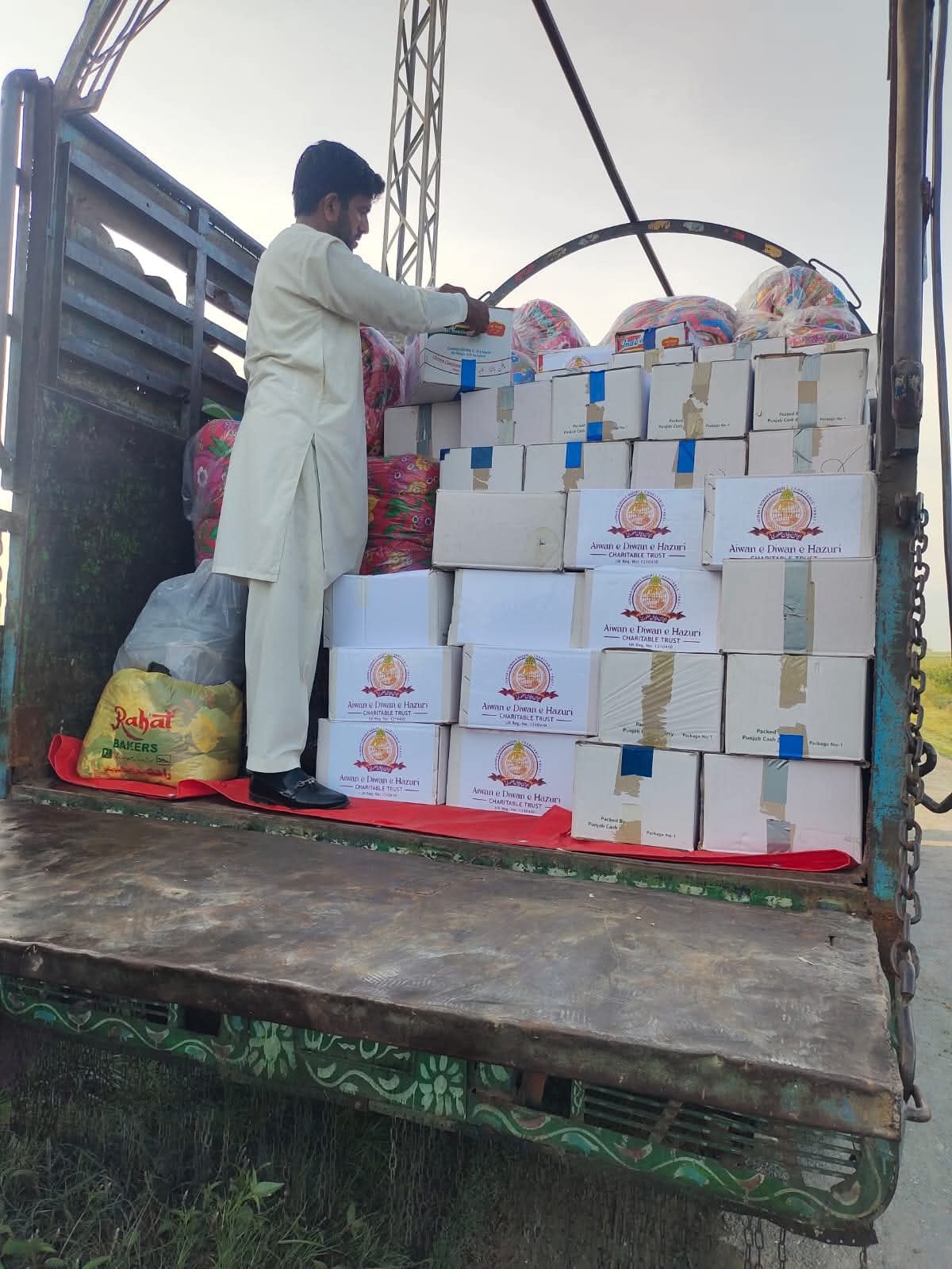
Zakat, Sadaqah and Lillah are three distinct forms of charity in Islam. They all earn reward, but they differ in obligation, recipients, and how charities can use them. Understanding the difference helps you give the right way for the right intention — and lets a charity like DHT honour your wishes precisely.
What is Zakat?
Zakat is the obligatory annual charity that every eligible Muslim must pay. It is one of the five pillars of Islam, mentioned in over thirty verses of the Qur’an, almost always paired with prayer.
- Who must pay: any adult Muslim whose wealth is above the nisab for one lunar year
- How much: 2.5% of qualifying wealth
- Who receives it: the eight categories named in Surah At-Tawbah, verse 60
- Restrictions: cannot be used for charity admin, cannot be given to direct relatives you are already obliged to support, cannot be given to non-Muslims (except in the ‘reconciling hearts’ category, by scholarly difference)
“Take, [O Muhammad], from their wealth a charity by which you purify them and cause them increase, and invoke [Allah’s blessings] upon them.”
— Qur’an 9:103
What is Sadaqah?
Sadaqah is voluntary charity given purely for the pleasure of Allah. It has no minimum amount, no maximum, no fixed time, and no fixed condition. The Prophet ﭐ described even a smile as Sadaqah.
- Who can give: anyone, at any time
- How much: no limit — even half a date counts
- Who receives it: anyone in need — Muslim or non-Muslim, family or stranger, near or far
- Restrictions: none on the recipient; can be used flexibly by the charity to maximise impact
“Save yourselves from the Hellfire even by giving half a date in charity.”
— Prophet Muhammad ﭐ (Bukhari)
What is Lillah?
Lillah literally means ‘for Allah’. In the UK Muslim charity sector, Lillah is the term used for general donations that can cover anything — including a charity’s admin, transport, salaries, fundraising, or capital projects.
- Who can give: anyone
- How much: no limit
- What it covers: any lawful charitable purpose — programmes and the operations that make programmes possible
Lillah is the engine that makes a 100% Zakat policy possible. Card fees, banking fees, salaries for field staff, transport, paperwork — all of these have to be paid by someone. At DHT, that someone is the Lillah giver. Give Lillah →
A simple comparison
| Type | Obligation | Recipients | Uses |
|---|---|---|---|
| Zakat | Obligatory | Eight Qur’anic categories | Direct relief only — no admin |
| Sadaqah | Voluntary | Anyone in need | Direct relief, broadly defined |
| Lillah | Voluntary | Any lawful charitable purpose | Programmes and operations |
Which should I give?
Pay your Zakat first if you are eligible — it is the obligation, not the optional, and the consequences of neglecting it are serious. Pay it to a charity that operates a strict 100% Zakat policy (like DHT).
Add Sadaqah whenever you can — especially in Ramadan, on Fridays, and during personal moments of gratitude or hardship. Sadaqah does not decrease wealth (Sahih Muslim).
Give Lillah to keep charities running. If you believe in the mission of an organisation like DHT, a regular Lillah standing order pays for the people and systems that let your Zakat reach the field intact.
Give the right way for the right intention
Choose Zakat, Sadaqah, Sadaqah Jariyah, Lillah, Fidya or Kaffarah — we honour your intention precisely and report back from the field.
Sadaqah Jariyah and other special categories
Within Sadaqah, several special categories carry distinct rulings — including Sadaqah Jariyah (continuing charity), Fidya (for missed fasts), Kaffarah (for broken fasts and oaths), and Qurbani (sacrifice at Eid al-Adha). We treat each one according to its specific Sharia ruling.
If you are unsure which to give for a particular intention, ask your local imam or speak to our team — we are happy to help.