Ramadan is the month in which every good deed is multiplied. Sadaqah given in Ramadan is not the same as Sadaqah given on a regular Tuesday — the Prophet ﭐ was ‘more generous than the free-blowing wind’ in Ramadan (Bukhari), and the Sahaba followed that lead. Here is how to multiply your reward in the blessed month — and the kinds of Sadaqah that count for the most.
Why Ramadan amplifies the reward of Sadaqah
The Qur’an was revealed in Ramadan, and within Ramadan falls Laylat al-Qadr — the Night of Decree — which is described as better than a thousand months (Qur’an 97:3). A single act of worship on Laylat al-Qadr can outweigh more than 83 years of regular worship.
“The Night of Decree is better than a thousand months.”
— Qur’an 97:3
Across the rest of Ramadan, scholars commonly cite reward multipliers of 70 to 700 times for righteous deeds done sincerely for the sake of Allah. The reward of Sadaqah is multiplied in the same way.
What kinds of Sadaqah are most beloved in Ramadan?
1. Feeding a fasting person at iftar
The Prophet ﭐ said:
“Whoever provides iftar to a fasting person will have a reward like his, without anything being diminished from the reward of the fasting person.”
— Prophet Muhammad ﭐ (Tirmidhi)
Multiply this across the 29 or 30 days of Ramadan, and you have the reward of every fasting person you fed — potentially hundreds of fasts. Provide an iftar →
2. Paying Fitrana (Zakat al-Fitr)
Every Muslim — man, woman, child — must pay Fitrana before the Eid prayer. It is fixed at the value of approximately 2.5kg of staple food per person. In the UK, this is typically set by your local mosque at around £5 per person each year.
3. Paying your Zakat in Ramadan
Many UK Muslims align their annual Zakat date with the first day of Ramadan, to combine the obligation with the reward multiplier of the month. Calculate your Zakat →
4. Sponsoring an orphan’s Eid
The Prophet ﭐ said: ‘I and the one who looks after an orphan will be in Paradise like this’ — and he held up his index and middle fingers together (Bukhari). New clothes, an Eid gift, a hot meal — small things that change a child’s Eid forever.
5. Giving water for the sake of Allah
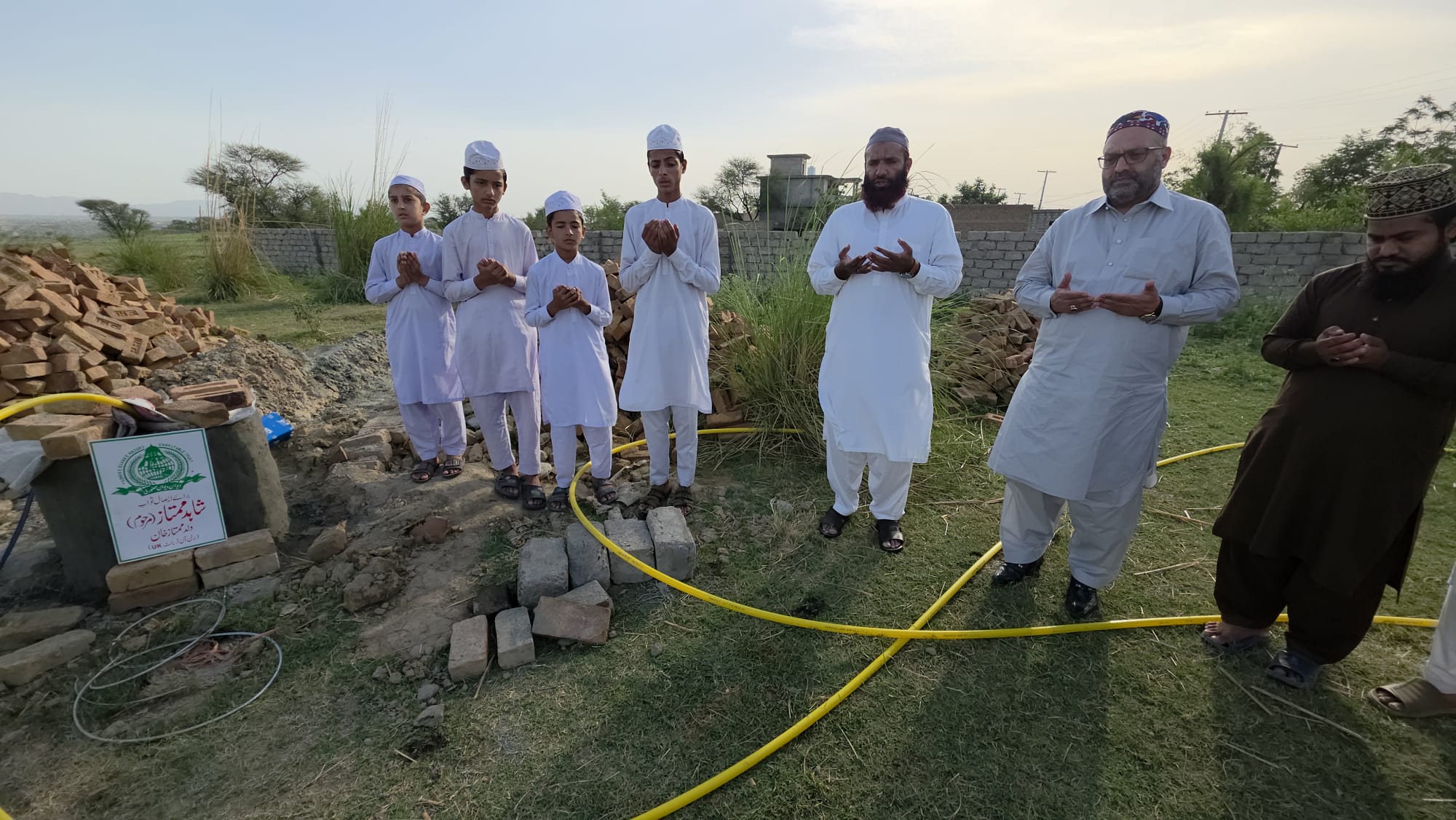
Many Muslims commit to a tubewell or hand pump in Ramadan — combining the hadith about the multiplied reward of Ramadan with the hadith that the best charity is water. The well runs all year. The reward keeps flowing.
The night-by-night opportunity
Across the last ten nights of Ramadan, the search for Laylat al-Qadr intensifies. Many donors break their Ramadan giving into ten parts and donate one part each night across the last ten nights, to ensure that at least one of their charitable acts falls on the Night of Decree.
This is a beautiful practice — structurally simple, spiritually weighty.
Sadaqah, du’a, and emergency response
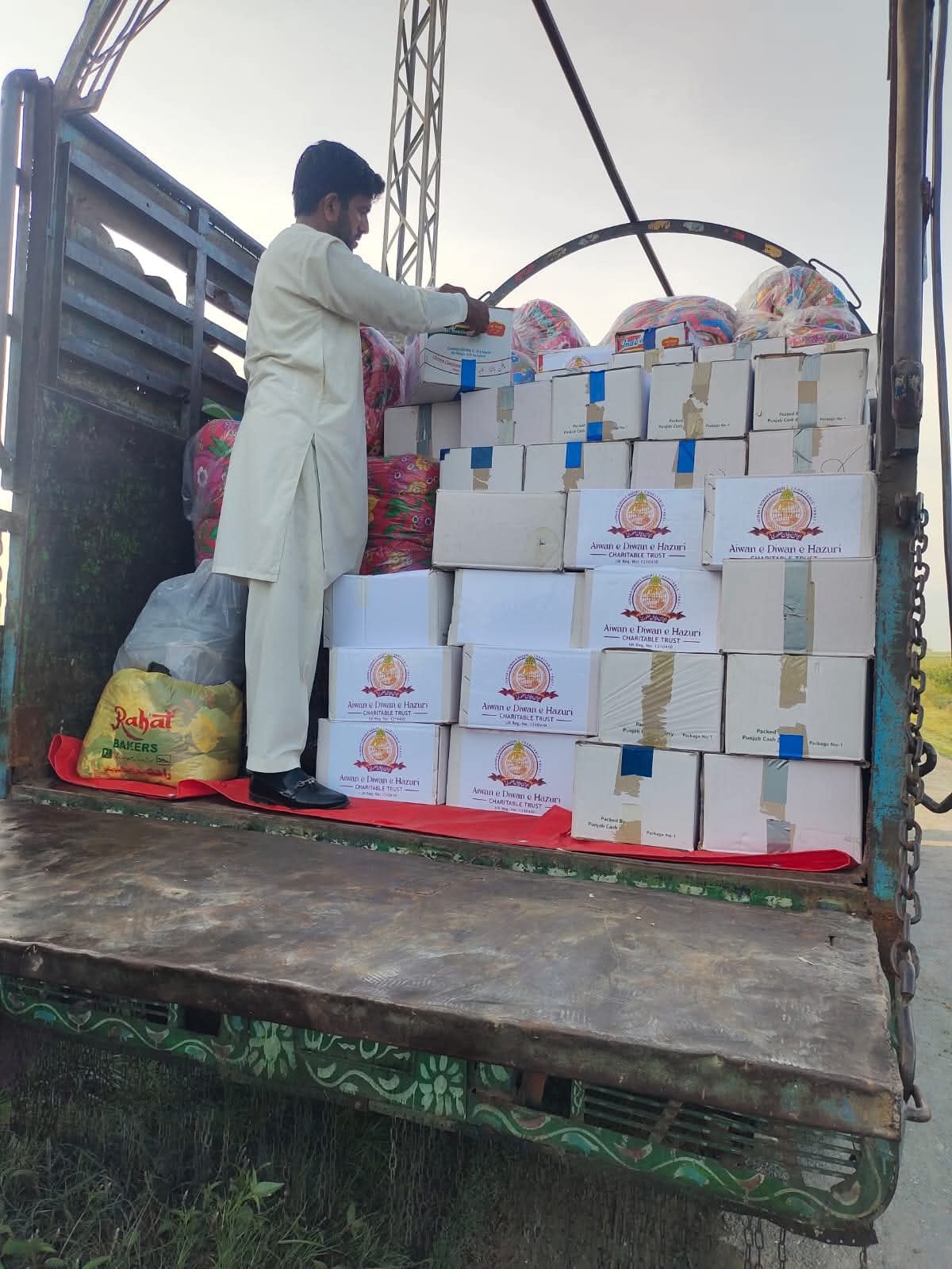
Ramadan is also when many of the year’s biggest humanitarian crises peak. Floods, earthquakes, conflict and displacement do not pause for the blessed month. DHT field teams typically deliver more emergency food parcels in the last week of Ramadan than in any other week of the year — precisely because the giving from UK donors makes it possible.
Give every night of the last ten
Set up a daily standing order across the last ten nights of Ramadan — insha’Allah, at least one of your gifts will fall on Laylat al-Qadr.
Practical tips for Ramadan giving
- Plan your Sadaqah in advance. Decide before Ramadan begins how much you intend to give, and to which projects.
- Set up monthly recurring giving for the year ahead. Ramadan is the perfect launch month.
- Don’t forget Fitrana for every member of the household. Pay before the Eid prayer.
- Pay your Zakat in Ramadan if you can — the multiplier applies.
- Give a Sadaqah Jariyah in Ramadan — for reward that keeps flowing long after Eid.
“The most beloved of people to Allah are those who are most beneficial to people.”
— Tabarani (graded hasan)
Ramadan is the training month of the believer’s year. Let your wallet train alongside your stomach. Both are part of the Sunnah.